
Preparation goes a long way when it comes to your pet's health.
Being a pet parent comes with plenty of joy, but it also comes with responsibilities. From welcoming a new puppy or kitten into your home to keeping up with preventive care, recognizing potential health concerns, and preparing for unexpected emergencies, there's a lot to keep track of!
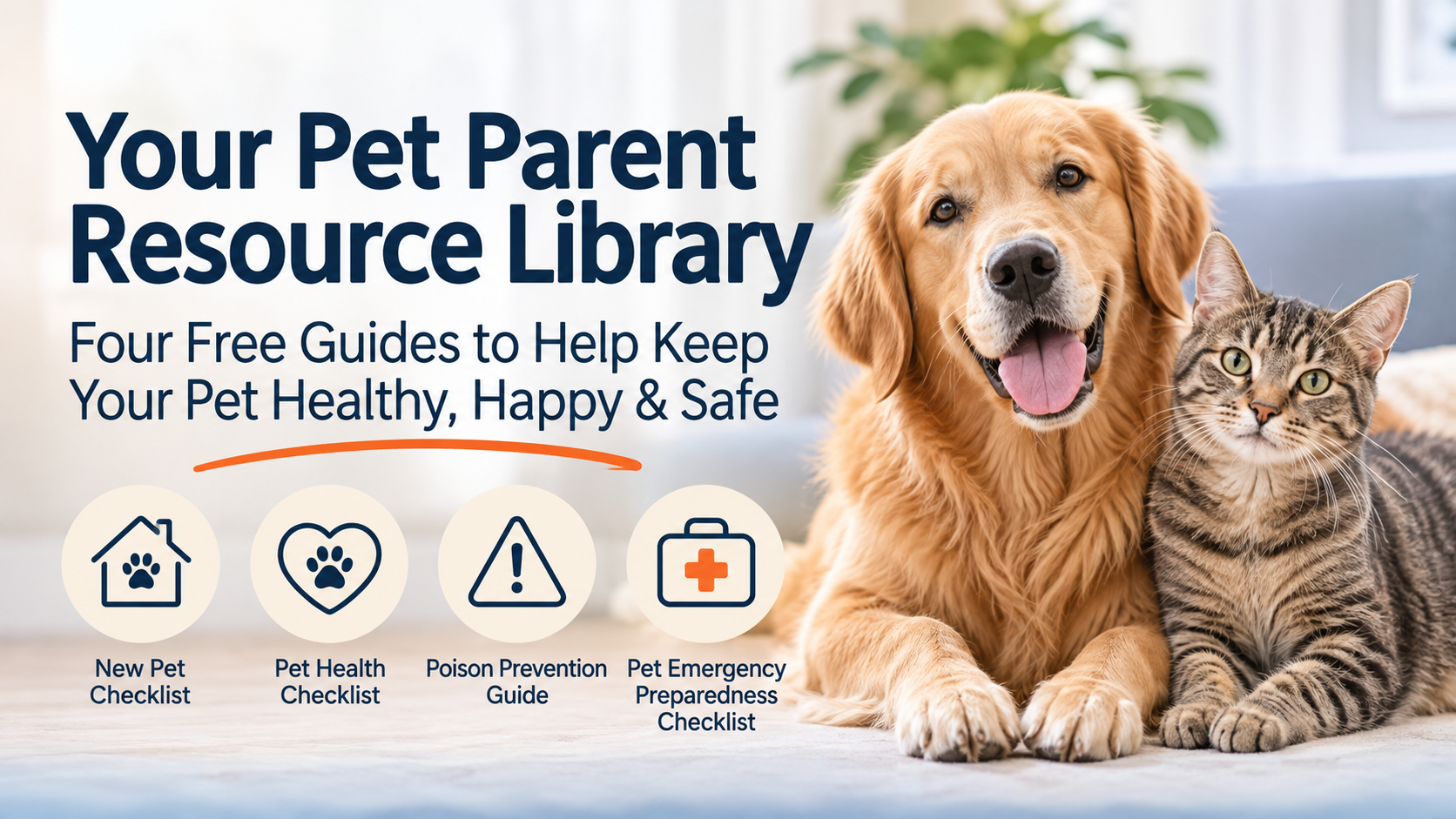
At MoVET, we believe that great veterinary care starts with informed, confident pet parents. That's why we've created four free, downloadable guides to help you stay organized, make informed decisions, and give your four-legged family members the best possible care.
Whether you're a first-time pet owner or a seasoned pet parent, these resources are designed to make caring for your pet a little easier.
1. New Pet Checklist: Getting Your New Family Member Off to a Great Start
Bringing home a new puppy or kitten is an exciting milestone! Between choosing the right food, gathering supplies, and helping your new companion settle in, it's easy to overlook a few important details.
A little preparation can make the transition smoother and help establish healthy habits from the beginning.
Our New Pet Checklist covers the essentials, including:
Everyday essentials: Beds, carriers, leashes, crates, litter boxes, toys, and feeding supplies.
Pet-proofing your home: Securing household chemicals, medications, electrical cords, toxic plants, and other potential hazards.
Identification: Microchips, ID tags, and keeping your contact information current.
Nutrition: Choosing an age-appropriate diet and establishing healthy feeding routines.
Home grooming: Brushes, nail trimmers, pet-safe shampoo, and gentle handling practices.
Starting off on the right paw helps build a foundation for a happy, healthy life together.
DOWNLOAD THE NEW PET CHECKLIST →
2. Pet Health Checklist: Staying Ahead of Your Pet's Health
Preventive veterinary care is one of the most important ways to support your pet's long-term health. Regular wellness visits allow your veterinarian to establish a health baseline, monitor changes, and identify potential concerns before they become more serious.
But your role as a pet parent doesn't stop when you leave the clinic!
Knowing what to watch for at home can make a meaningful difference.
Our Pet Health Checklist helps you keep track of important areas of preventive care, including:
Wellness exams: Routine physical examinations and conversations about changes in appetite, weight, thirst, and behavior.
Parasite prevention: Protection against fleas, ticks, heartworms, and intestinal parasites.
Vaccinations: Understanding common dog and cat vaccines and discussing which are appropriate for your pet.
At-home health monitoring: Recognizing changes in your pet's eyes, ears, skin, mouth, mobility, breathing, and digestion.
Diagnostic screening: Understanding common tests such as CBCs, blood chemistry panels, urinalysis, and fecal testing.
Remember, every pet is different. Your veterinarian can help determine the right wellness schedule, vaccines, and diagnostic testing based on your pet's age, breed, health, and lifestyle.
DOWNLOAD THE PET HEALTH CHECKLIST →
3. Pet Poison Prevention Guide: Keeping Dangerous Items Out of Paws' Reach
Our pets are naturally curious, and sometimes that curiosity gets them into trouble!
Many everyday household products and foods can be harmful to dogs and cats. Some exposures can cause serious illness, and symptoms aren't always immediate.
Prevention starts with knowing what to look out for and making your home a safer place.
Our Pet Poison Prevention Guide highlights common household hazards, including:
Food hazards: Chocolate, grapes, raisins, onions, garlic, alcohol, and xylitol (a sweetener found in some sugar-free products).
Human medications: Prescription medications, over-the-counter medicines, vitamins, and supplements.
Household chemicals: Cleaning products, detergents, pesticides, fertilizers, and automotive fluids.
Plants and flowers: Certain plants can be toxic to pets. Lilies are especially dangerous to cats.
Everyday objects: Batteries, magnets, string, and small objects that can cause injury or intestinal obstruction.
What should you do if you suspect your pet has ingested something harmful?
Don't wait for symptoms to appear. Contact your veterinarian, an emergency veterinary hospital, or a pet poison control service promptly. Never induce vomiting or administer home remedies unless specifically instructed by a veterinary professional.
Keep these U.S. poison control numbers handy:
ASPCA Animal Poison Control Center: 888-426-4435
Pet Poison Helpline: 855-764-7661
Consultation fees may apply.
A little prevention and knowing who to call can make all the difference.
DOWNLOAD THE PET POISON PREVENTION GUIDE →
4. Pet Emergency Preparedness Checklist: Are You Ready for the Unexpected?
Emergencies and unexpected situations can happen when we least expect them. Severe weather, evacuations, power outages, or other disruptions can make caring for your pet more challenging.
Having a plan in place before an emergency happens can help reduce stress and ensure your pet has what they need.
Our Pet Emergency Preparedness Checklist helps you organize an emergency kit and plan ahead for your entire family.
Important items to include:
Food and water: Several days of pet food, drinking water, portable bowls, and feeding instructions.
Essential supplies: Carriers, crates, leashes, harnesses, cleanup supplies, familiar bedding, and a pet first-aid kit.
Vital records: Medical and vaccination records, current photos, microchip information, and insurance details.
Medications: Prescription medications, written dosing instructions, and a list of medication names and administration times.
Emergency planning: Pet-friendly places to stay, a backup caregiver, accessible carriers, and evacuation routes.
Don't forget to review your emergency kit regularly, replace expired supplies, and make sure your pet's identification and microchip information are up to date.
DOWNLOAD THE PET EMERGENCY PREPAREDNESS CHECKLIST →
A Healthier, Happier Life Starts with Preparation
At MoVET, our goal is to make veterinary care more accessible, personal, and proactive. We want pet parents to feel confident not only during their veterinary visits, but also in the everyday decisions they make at home.
These four guides are a great place to start. Download them, print them, keep them somewhere handy, and share them with other pet parents who might find them helpful!
And remember, you don't have to navigate your pet's health journey alone. Our veterinary team is here to answer questions, provide guidance, and help you build a preventive care plan that fits your pet's individual needs.
From your living room to our clinic, we're here for you and your pet.
Ready to make your pet's health a priority?
Whether it's time for a wellness exam, vaccinations, preventive testing, or simply a conversation about your pet's health, the MoVET team is here to help.
BOOK AN APPOINTMENT WITH MoVET →
MoVET — Moving Petcare Forward.