
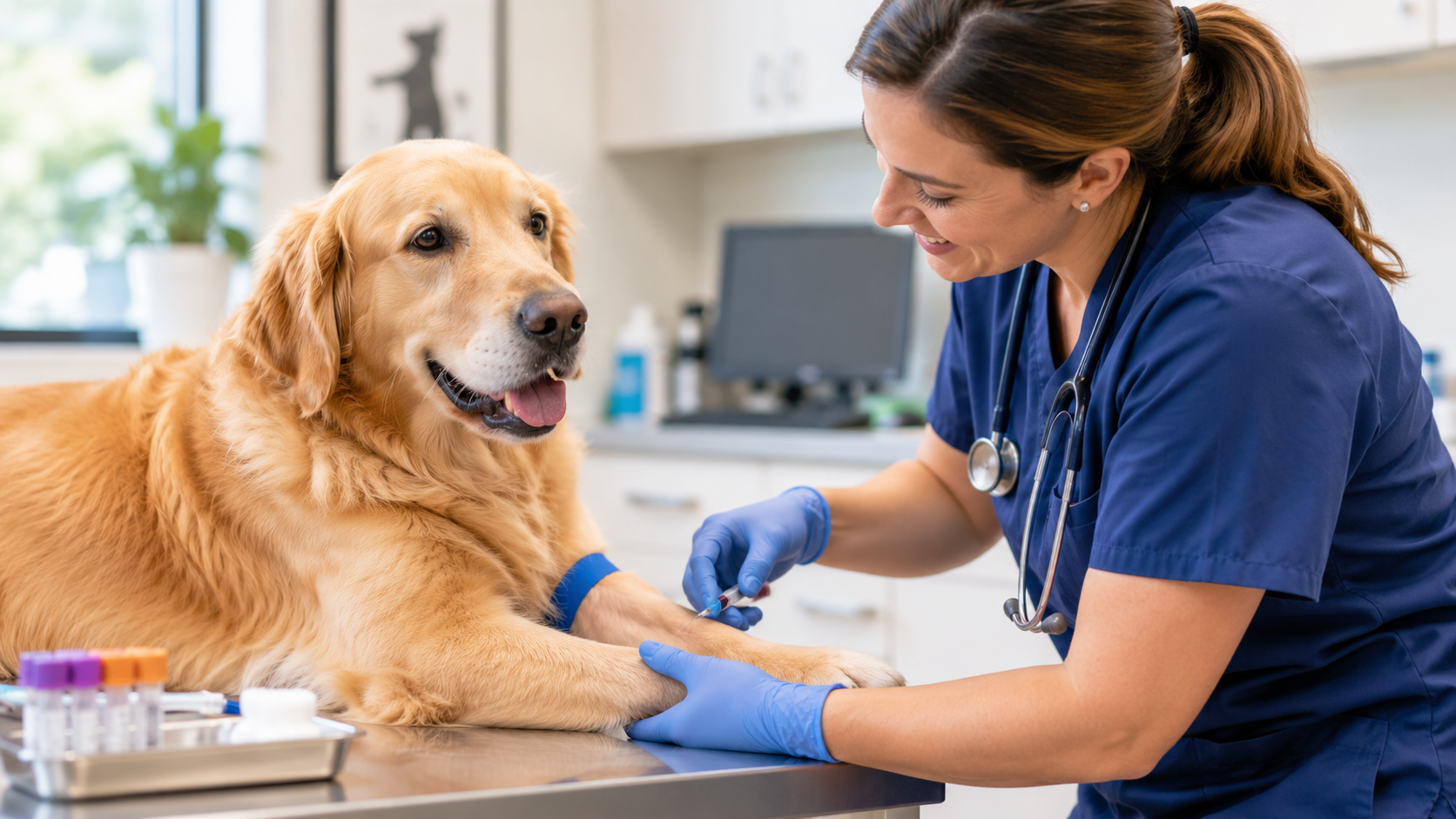
When it comes to your pet's health, having the right information at the right time can make all the difference. While your dog or cat may look and act perfectly healthy, some medical conditions can develop quietly, without obvious symptoms. That's why diagnostic testing is such an important part of preventive veterinary care.
At MoVET, we believe better pet care starts with better information. Point-of-care (POC) testing allows our veterinary team to perform many diagnostic tests right here in the clinic, often providing results during your pet's appointment. Rather than waiting days for answers from an outside laboratory, we can often evaluate your pet's health, discuss findings, and determine the next steps all in one visit.
What Is Point-of-Care Testing?
Point-of-care testing refers to diagnostic tests performed and analyzed at or near the location where your pet receives care, such as your veterinary clinic.
These tests use small samples of blood, urine, or other bodily fluids to help evaluate your pet's overall health and identify potential medical concerns.
One of the biggest advantages is timing. Many in-house diagnostic tests produce results within minutes, allowing your veterinarian to make more informed decisions without unnecessary delays.
POC testing can be used for:
Preventive wellness screening: Establishing a baseline and identifying changes before symptoms appear.
Diagnosing illness: Investigating symptoms such as vomiting, diarrhea, increased thirst, weight loss, or lethargy.
Pre-anesthetic screening: Evaluating your pet's health before procedures requiring anesthesia.
Monitoring chronic conditions: Tracking diseases and evaluating how well treatments are working.
Even when your pet seems healthy, routine diagnostic testing can reveal changes that aren't visible during a physical examination.
Common Types of Point-of-Care Tests
The type of testing recommended for your pet depends on their age, breed, lifestyle, medical history, and current symptoms. Some of the most common in-house diagnostic tests include:
1. Blood Chemistry
Blood chemistry testing evaluates the function of important organs and metabolic systems, including the kidneys, liver, pancreas, and more.
A chemistry panel can help identify:
Kidney dysfunction
Liver abnormalities
Changes in blood glucose that may indicate diabetes
Electrolyte imbalances
Changes in protein levels
Signs of dehydration or other metabolic concerns
These results give your veterinarian valuable insight into what's happening inside your pet's body, sometimes before outward symptoms develop.
2. Complete Blood Count (CBC)
A Complete Blood Count evaluates three major components of your pet's blood: red blood cells, white blood cells, and platelets.
A CBC can help identify:
Anemia: Low red blood cell levels, which can contribute to weakness and fatigue.
Infection or inflammation: Changes in white blood cell counts that may indicate the body is responding to illness.
Platelet abnormalities: Changes that may affect your pet's ability to form blood clots.
Together with blood chemistry, a CBC provides a more complete picture of your pet's internal health.
3. Urinalysis
A urinalysis examines your pet's urine for abnormalities that may indicate underlying health concerns.
It can help identify:
Urinary tract infections
Kidney-related changes
Blood or protein in the urine
Glucose abnormalities
Urine concentration changes
Crystals that may contribute to urinary stone formation
Urinalysis is particularly valuable when paired with blood chemistry testing, as the two tests provide complementary information about kidney function and overall health.
4. Heartworm and Tick-Borne Disease Testing
Preventive screening is especially important for dogs, even when they appear healthy.
Heartworm testing can identify evidence of heartworm infection, while other screening tests may detect exposure to tick-borne diseases such as Lyme disease, Ehrlichia, and Anaplasma.
Annual screening, along with consistent parasite prevention, helps protect your dog from diseases that can have serious long-term consequences.
5. Fecal Testing
Fecal testing looks for evidence of intestinal parasites, including roundworms, hookworms, whipworms, and other common parasites.
Some intestinal parasites can be present without causing obvious symptoms, making routine screening important for both your pet's health and the health of your household. Certain parasites can also be transmitted to people.
Why Does Testing Matter?
The biggest advantage of point-of-care testing is that it helps shorten the time between identifying a potential problem and deciding what to do about it.
Here are a few reasons we value in-house diagnostics at MoVET:
Faster Results, Faster Decisions
Many tests provide results within fast. This allows our veterinary team to discuss findings with you and, when appropriate, begin treatment sooner.
Earlier Detection
Pets are remarkably good at hiding discomfort and illness. Routine bloodwork and other diagnostic screenings can uncover subtle changes before your pet starts showing noticeable symptoms.
More Informed Anesthesia Decisions
Before dental procedures or other surgeries requiring anesthesia, pre-anesthetic bloodwork helps evaluate your pet's overall health and identify potential concerns that may influence the anesthetic plan.
Better Long-Term Health Monitoring
Your pet's diagnostic results create a valuable health history. By comparing results over time, we can identify trends, recognize changes, and adjust care as your pet ages or develops medical conditions.
Less Waiting and More Peace of Mind
When results are available fast, you can have a more meaningful conversation with your veterinarian about your pet's health and next steps.
How Often Should Your Pet Have Diagnostic Testing?
There isn't a one-size-fits-all schedule. Your veterinarian will recommend testing based on your pet's individual needs, but general guidelines include:
Pet's Life Stage Suggested Screening
Puppies and kittens Baseline testing as medically appropriate
Healthy adult pets Annual wellness screening
Mature and senior pets Often every 6–12 months, depending on health
Pets with chronic conditions As recommended to monitor disease and treatment
Before anesthesia Pre-anesthetic testing based on age, history, and medical needs
Even if your pet seems perfectly healthy, establishing a baseline early in life gives your veterinarian something valuable to compare against in the future.
Point-of-Care Testing at MoVET: Moving Petcare Forward
At MoVET, we believe veterinary care should be proactive, personalized, and convenient. Having access to diagnostic testing allows our veterinary team to gather important health information quickly and make informed recommendations tailored to your pet.
Some conditions require specialized laboratory testing, additional diagnostics, or referral to a veterinary specialist. Our team will help determine which approach is most appropriate for your pet. Whether your pet is coming in for an annual wellness exam, experiencing new symptoms, or preparing for a dental procedure, diagnostic testing is an important tool in keeping them healthy.
Because the best time to catch a health concern is before it becomes a bigger problem.
Ready to get a better picture of your pet's health? Schedule a wellness visit with the MoVET veterinary team. We're here to help your pet live a longer, healthier, happier life — from your living room to our clinic.